
9 · The First Embrace
Aristotle weeps. He weeps for the mania in his only companion's heart, he weeps because he now feels more alone than he has ever felt before, and he weeps for the words that have failed him. The words were the only imperfection in his world. They were not needed; they sat in his mind, cluttering it, ruining the odor of the flowers and the taste of the tubers. The words could have been redeemed if they could have been used to reach out and touch this lost soul, but it was for naught. The only other being that he could communicate with did not hear him, did not take in his words.
The other has not stopped their motions, their ritual that they call dance. Aristotle still cannot smell any food from the world. It is pure madness that this one thinks that such motions will call the food; it is so obvious that the soil is good and gives food freely and easily. There is no connection between the dance and food. Yet the other's mind is unshakeable — the grip of fear has clouded their mind and covered their ears. There is nothing to be done. This is bad.
Aristotle stands and closes his eyes, unable to bear witness to the manic actions of this being he would have called friend. It is here, at this moment, that he becomes aware of a new structure in his body. He has not noticed it because there was no need for it. But it was a way to put things in the world other than words. Words have failed him; words live in his mind but are not his own; words never are truth. As sadness' long fingers grasp at Aristotle's heart, he leaks it from his body. Odors of ennui with shades of melancholy waft from his form on the warm evening wind. He wishes he could show this other how beautiful and kind the world can be. The world is what you put in it.
The sadness tickles the dancer's nose. Tears stream from their eyes as Aristotle's mourning forms a thick miasma. Choking and sputtering on the misery, the dancer stops and looks at Aristotle, shaking with exertion. The dancer grabs Aristotle and holds him close as they too become aware of the same structure in their body, and they form and push out understanding and tenderness and sorrow and firmness. Their musk becomes laughter. The pair embrace and move in a way unlike a walk and unlike a dance. Aristotle floods the air with a desire for understanding and the dancer drinks it in. The pair laugh, the two gulping in the other's odors and songs as they delve into the other, not alone.
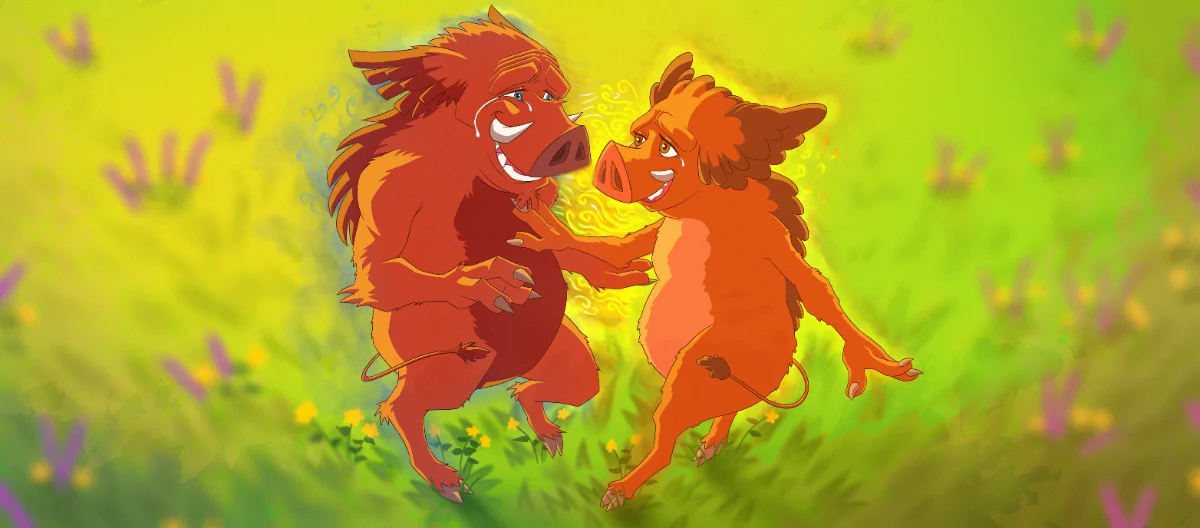
Fig. 03 — The First Embrace · Illustration by Lucas
Discuss this chapter